car key repair services in kent
Locked out or facing a faulty car key in Kent? AutoLocks Ltd sends certified mobile auto locksmiths directly to your vehicle—at home, work, or roadside. We repair or replace keys on the spot using advanced diagnostics and genuine parts, so you avoid waiting for dealers or recovery. Trusted across Kent for reliable response and clear quotes, we make sure you get moving again when you talk to us.

Author
Darren

Car key trouble can leave you stranded, disrupt your plans, or cause costly delays. Whether you’re locked out, your key won’t start the car, or your fob is damaged, expert help is vital.

AutoLocks Ltd brings Kent drivers fast, mobile solutions for all car key emergencies. Our specialists come equipped to diagnose, repair, or replace keys on the spot—trusted by drivers across the region for quick response, clear pricing, and proven reliability.
- On-site repairs and replacements across Kent
- Trusted specialists with advanced diagnostic tools
- Clear quotes and rapid, local response
Need fast, mobile car key repair anywhere in Kent?
Mobile car key repair in Kent means a trained auto locksmith comes to your vehicle, finds the fault and fixes it on‑site. In real life that often turns a day‑ruining breakdown into a short delay, with you driving again after a single visit instead of arranging recovery or waiting days for a dealer.
Peace of mind starts with a car key that just works when you need it.
Autolocks Ltd is set up around that model. Instead of asking you to get a non‑starting car to a workshop, we bring the workshop to your driveway, workplace or roadside. The van carries common remote and flip key shells, blades, batteries and diagnostic equipment, so we can test whether your existing key can be repaired safely before we talk about replacement.
Typical car key emergencies we fix at your vehicle
Most people call when something has already gone badly wrong, and that is exactly what a mobile service is designed for. The key questions are whether the car is where it can be worked on safely and whether your key and immobiliser system are within coverage. When those two boxes are ticked, an on‑the‑spot repair or replacement is usually realistic without involving recovery.
A mobile auto locksmith can usually help you on the spot if:
- Your remote key fob suddenly stops unlocking the car, but the blade still turns in the door.
- The key turns in the ignition but nothing happens, or a padlock or immobiliser light flashes.
- The flip key blade has snapped away from the fob and you can no longer turn the lock.
- The fob has been dropped, cracked or stepped on and the buttons no longer respond.
- You are locked out in a car park or on your drive with the keys visible inside the car.
- You have one tired working key and want it sorted, with a spare added in the same visit.
In these situations, the aim is simple: get you back into the vehicle without damage, confirm what has failed, and either repair or replace the key there and then. You do not normally need recovery or a main dealer visit for these everyday problems.
How our mobile coverage works across Kent
Coverage matters as much as tools. In busy towns such as Maidstone, Medway, Canterbury, Ashford or Tunbridge Wells, a properly organised mobile locksmith can often reach you within about an hour for emergency jobs, traffic and existing bookings allowing. Rural lanes and coastal areas may take a little longer, but the same principle applies: the closest available van that carries the right kit for your key type is dispatched.
At Autolocks Ltd, we will tell you on the call:
- Whether your location is within our regular Kent coverage.
- Whether your make, model and year are keys we handle day in, day out.
- Whether the fault sounds like something that can usually be repaired, or whether you should budget for a full replacement.
If your situation is urgent, say so straight away. If it is not an emergency, you can often choose a home or work slot later that day or on the next day that suits your timetable. Either way, you stay in control of when and how the visit happens rather than rearranging life around a distant workshop.
Testimonial
I visit them today for a replacement key for my Lexus. Good price and new key was tested with both manual and with key fob to ensure all options work.
Excellent service and very easy to make arrangements for a spare key by AutoLocks Ltd. And of course the key works fine.
They have a good variety of stock just a little pricey.
I was in town, had to pop to the bank and some how lost my keys, went on the web and auto locks came up so I gave them a call, said he could be with me within the hour, he was true to his word and ...
Big thanks to Auto locks for saving my life! I lost the only key I had to my BMW X5. I called and spoke to Darren and he came to me straight away and made the key for me there and then! superb serv...
was out shopping with my three young children got back to my car to realise I had lost my car keys . Luckily I used auto locks limited and they got to me within 15 minutes. Couldn't fault them. Ver...
Efficient, reliable, pleasant to deal with and reasonable rates. They even charged my flat battery. Great service.
Great prompt service and very reasonable.it pays to buy British
Amazing! Came within an hour of me calling and job done in 2 minutes! Helpful friendly and half the price of other quotes I received! Life saver!!
Bang on got me out of a right pickle today now I can get back to work thanks a lot guys
Good guys, went the extra mile to accommodate me Great customer service and communication Thank You!
A guy came out to my address the same day I called, and sorted out my car fob for me ,was very polite and even called to say he was on his way.sorted it in 20 mins.very good service would highly re...
Locked Out or Lost Your Car Keys?
Lost your keys? We’ll replace them on the spot. AutoLocks Ltd delivers fast, mobile car key replacement across London, Kent & Surrey.

What really happens if you ignore a damaged or failing car key?
Ignoring a damaged or unreliable car key usually turns a cheap, simple repair into an inconvenient breakdown and a more complicated job. Worn buttons, cracked plastic and occasional non‑starts are the key’s way of telling you that something is deteriorating; if you wait until it fails completely, you lose flexibility over timing, location and how the problem is handled.
At first, the signs are easy to shrug off. You might have to press the unlock button several times, squeeze the fob casing or wiggle the blade to get the car to recognise the key. Occasionally an immobiliser light might flicker when you turn the key, or the car might refuse to start on the first attempt. In a busy week, it is tempting to assume this is just how the car is now.
The reality is that those symptoms often point to specific, fixable problems. Worn rubber buttons, cracked solder joints, a loosening transponder chip or a blade that is starting to twist are all common. These are much easier to deal with while the key is still mostly working and you can choose a time and place that does not disrupt work, school runs or planned journeys.
The hidden cost of waiting for a total failure
The biggest financial hit from a failed key is not usually the part itself; it is the disruption. When you wait until a key finally gives up, it tends to do so at the worst possible time: early on a work morning, on a school run or just before a long trip.
At that point, your options narrow to whatever can be done, as soon as possible. That can mean:
- Paying out‑of‑hours call‑out rates because you cannot get to work or home without the car.
- Accepting a full replacement key when a low‑effort repair would have been possible days or weeks earlier.
Once the car is stuck somewhere awkward – a tight street in Medway, a supermarket car park in Ashford or a rural lane on the way to Thanet – you also lose control over how long you are delayed and where you spend the rest of the day. Addressing early warning signs while the key still works lets you keep travel plans intact instead of cancelling them at the roadside.
Why “it still starts most of the time” is a warning, not reassurance
A key that still starts the car most of the time often gives people false comfort. From an immobiliser point of view, intermittent starting is one of the clearest signs that a transponder chip or its connections are on the edge. Similarly, a flip key with a cracked or loose blade may work repeatedly, right up until the moment the blade snaps off inside the lock.
If you notice any of the following, you are in the risk zone:
- The key sometimes refuses to turn, then suddenly works again without obvious reason.
- You have to hold the key in a particular way or squeeze the casing to get the car to start.
- The dashboard shows an immobiliser symbol more often than it used to.
- The casing is held together with tape or glue.
None of these guarantee an immediate breakdown, but they do tell you that the margin of safety is shrinking. At that stage, arranging a repair or replacement on your own terms, with a clear quote and time slot, is almost always less stressful than waiting for the inevitable non‑start.
How does on‑vehicle car key diagnosis, repair and replacement work in one visit?
On‑vehicle car key diagnosis means the locksmith tests your key, locks and immobiliser at your car, then repairs or replaces what is needed without moving the vehicle. Instead of removing parts and taking them away, most of the work happens on the drive, in your workplace car park or at the roadside, using diagnostic tools and cutting machines installed in the van.
The first step is always controlled entry. If you are locked out, a professional auto locksmith will open the car using non‑destructive methods, leaving your locks and windows intact. Once inside, attention turns to the key and the vehicle’s security system so that mechanical, electronic and security faults are checked in a structured way.
What a typical diagnostic and repair visit looks like
A good visit follows a clear sequence so you know what is happening and why. That structure keeps you informed, keeps the work safe and makes every step easy to explain later to insurers, leasing companies or your own records.
A standard call‑out from Autolocks Ltd usually runs like this:
Step 1 – Initial questions and ID check
On the phone and again on arrival, we confirm your identity, that you have the right to authorise work on the vehicle, and what symptoms you have seen.
Step 2 – Non‑destructive entry if required
If the keys are locked in the car or the door will not open, we gain access without drilling locks or breaking glass, so the car stays secure.
Step 3 – Key and fob inspection
We check the mechanical blade, casing, buttons and battery, and test whether the key is transmitting a signal and being recognised by the car.
Step 4 – Diagnostic scan
For modern vehicles, we connect to the car’s diagnostic socket and read immobiliser and body control data to see how the vehicle is interpreting the key.
Step 5 – Repair‑first options
If the blade, casing or buttons are the problem, or if the chip can be safely re‑used in a new shell, we explain those repair options first so you can choose the most economical route.
Step 6 – Replacement and coding if needed
If electronics or security mean a new key is required, we cut the blade, code the new key to the vehicle and remove any lost keys from the system where appropriate.
Step 7 – Full demonstration
Before we leave, we demonstrate lock, unlock, boot release where applicable and engine start with all keys supplied or repaired, so you can see everything working.
At each stage, you have a chance to ask questions and, crucially, to approve extra work before it is carried out. You also have a clear record of what was done, which helps with future servicing or any insurance queries.
When a new key is safer than a repair
A new key is safer than a repair when the existing electronics, chip or blade can no longer be trusted to stay in one piece. A repair‑first mindset does not mean “repair at any cost”. There are situations where a professional will deliberately advise against repair because it would be unreliable or unsafe, and a fresh, fully coded key is the only option that properly resets the system.
Examples include:
- The circuit board is cracked, burned or heavily corroded from water.
- The transponder chip fails tests or works only intermittently.
- The key blade has snapped in a way that would weaken a repaired joint.
- The key or fob has been lost or stolen and the risk of misuse is high.
In these cases it is better to supply and code a new key, then de‑authorise any keys that are missing. This costs more than a simple case swap, but it restores the car to a known‑good state and closes off security gaps. Part of the job for Autolocks Ltd is to explain why replacement is being recommended in plain language, so you can see that it is about reliability and security, not upselling.
Should you use a Kent auto locksmith or stick with the dealer or DIY?

For most key and fob problems in Kent, a specialist auto locksmith is quicker, more convenient and usually cheaper than a main dealer, and safer and more reliable than DIY. Dealers still have a role for some very new or highly specialised vehicles, but they rarely match the response times and on‑site capability of a dedicated mobile service.
High‑street key cutters sit somewhere in the middle. They can be excellent for basic metal keys and some older transponder types, but they often cannot help with newer smart keys, complex immobiliser systems or situations where the car is already immobilised away from their shop.
How a mobile locksmith compares with a dealer in real life
A mobile locksmith usually beats a dealer on time, cost and access when your key fails in Kent. When you compare options, it helps to think in terms of three things: time, cost and access. Once you look at all three together, the practical differences become clear.
- Time.: Dealers often order keys to chassis number, taking days and requiring the car to be delivered to their site. A mobile locksmith can normally reach you the same day and complete the work at your location.
- Cost.: Dealer keys usually cost most because dealers replace keys with genuine new ones rather than repair working parts. Auto locksmiths frequently repair existing keys or use approved equivalents where appropriate, reducing the total bill.
- Access.: Dealers do not come to multi‑storey car parks, narrow lanes or drives, so you must get the car to them. A mobile van works where the car is, as long as it is reachable and safe to work around.
Behind those differences is the simple fact that a specialist auto locksmith invests in dedicated key‑cutting, programming and diagnostic tools and uses them daily on a wide range of vehicles. You get dealer‑level equipment pointed at your problem, without moving the car or waiting for a distant workshop slot. For many Kent drivers, those three factors make a locksmith the first call, especially in an emergency.
Why DIY key programming and cheap online keys are risky
DIY keys and cheap online fobs are risky because they often look like a saving but hide serious compatibility and reliability problems. Not every aftermarket key is compatible with every vehicle, and an almost‑right key can create intermittent faults that are harder to diagnose later. When that happens, you are paying twice: once for the parts that did not work as promised, and again to have the situation put right.
Common DIY pitfalls include:
- Keys that lock and unlock the doors but will not start the car.
- Keys that appear to work until the original is lost, then reveal that the new key was never fully coded.
- Attempts to follow generic online instructions that do not match your vehicle’s software level.
Once things reach that point, an auto locksmith has to untangle both the original fault and any new issues created by incorrect coding or poor‑quality hardware. In practice, it is usually safer to let a specialist such as Autolocks Ltd supply and code the key in the first place, or to ask us to check the suitability of any parts you already have before work begins.
What safety, security and professional standards should you demand from a car key service?

A car key service is dealing directly with your vehicle’s security, so it should be held to the same standards you would expect from any professional who can grant or deny access to your car. That means clear identity checks, documented work, appropriate insurance and a willingness to explain what they are doing and why.
Good practice protects you twice: it reduces the chance of poor workmanship today and it gives you a paper trail if questions arise later from insurers, leasing companies or future buyers.
Security, ID checks and record‑keeping
Before cutting or coding any key, a responsible provider will confirm that you are entitled to authorise the work. That normally means checking some combination of photo ID and documents that link you to the vehicle, such as a logbook, finance document or lease paperwork.
From there, professional standards look like this:
- The technician records which keys were added or removed and on what date.
- Any lost or stolen keys are clearly noted and, where possible, electronically removed from the car’s system.
- You receive a clear description of what was done and which keys are now valid.
Non‑destructive entry should be the default wherever possible, ID should always be checked before any programming, and every job should be logged in a way insurers and leasing companies can understand. Autolocks Ltd follows this pattern as standard, so you can show that you acted responsibly after a loss or theft.
By contrast, you should be cautious if a provider:
- Starts work without checking any ID or proof that you control the vehicle.
- Forces locks or breaks glass without first explaining options and risks.
- Leaves without giving you anything in writing about what was done.
Those red flags make it harder to show insurers that you acted sensibly and can hide poor workmanship that only shows up later.
Qualifications, reviews and practical guarantees
Technical skill and honesty are both crucial. Look for signs that the locksmith invests in training and equipment to keep up with modern key and immobiliser systems. Industry memberships, relevant technical qualifications and references from other local garages or fleets all indicate that this is more than a side‑line.
On the customer side, recent, detailed reviews from Kent drivers tell you how a service behaves in the field. Rather than focusing only on star ratings, look for comments about:
- Punctuality and communication when things changed.
- Whether entry was genuinely non‑destructive.
- How the technician handled decisions about repair versus replacement.
- What happened when something needed follow‑up.
Finally, ask what is guaranteed. A clear, written warranty on parts and labour for a sensible period shows confidence in the work and gives you a defined route back if something fails. Autolocks Ltd backs work in this way so that you are not left guessing what will happen if there is a problem later.
Which car key types and situations can be repaired across Kent?

Most mainstream key types on common UK vehicles can be repaired across Kent, especially when the blade and immobiliser chip are still present and working. That includes many standard metal keys, remote fobs, flip keys and a good proportion of smart or proximity keys. The main limits are very new, high‑end models with dealer‑locked systems and keys that are physically or electronically beyond recovery.
Understanding where your key sits on that spectrum helps you set expectations before you call and avoids surprises when a quote is given.
Recognising your key type and what that means
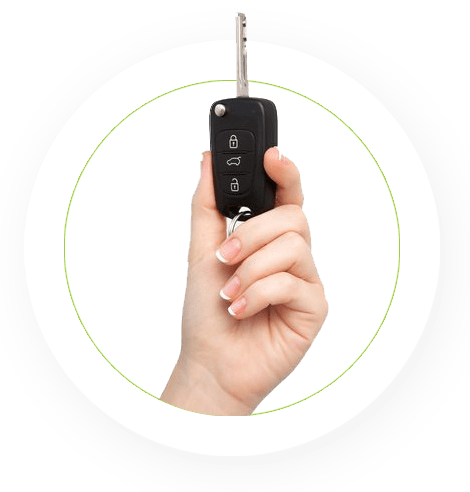
Recognising your key type helps you understand what can be repaired and roughly what work is involved. With a quick visual check you can usually see whether your existing key can be reused, rebuilt or must be replaced outright, and that same check helps you describe the problem clearly on the phone so that the right parts and tools are sent to you. In practice there are four common patterns you will see:
- Standard or transponder key.: A solid metal blade with a plastic head. It may have no buttons at all, but could still contain a chip.
- Remote key fob.: A fob with buttons for lock, unlock and sometimes boot release, plus a fixed or detachable blade.
- Flip or folding key.: A remote where a metal blade flicks out from the body.
- Smart or proximity key.: A chunkier fob, often with few or no visible buttons, used with keyless entry and start.
Standard and transponder keys are often straightforward to deal with. Worn or bent blades can be re‑cut, and working chips moved into new heads. Remote and flip keys add more parts that can fail – buttons, cases and pivot mechanisms – but many of these faults are still repairable at sensible cost. Smart keys are the most complex; casing and button repairs are often possible, but chip failures or software‑related issues may need full replacement.
If you are not sure which type you have, you can usually send a quick photo before a visit so Autolocks Ltd can confirm what is realistic and what the likely options will be.
Situations where repair is realistic, and where it is not
Repair is most realistic when the key still communicates properly with the car and there is enough good hardware left to work with. In practice, that means the blade pattern, circuit board and chip are present and readable even if the outside looks tired. When those foundations are missing or badly damaged, replacement becomes the safer path and guesswork is avoided.
Repair is most realistic when:
- The blade is worn, bent or snapped off the fob but a usable pattern still exists.
- The chip and circuit board are intact and the car still recognises the key.
- The casing is cracked, held with tape, or the key‑ring loop has broken away.
- Buttons are worn or intermittent but the car still starts reliably.
- Water exposure was brief and the key still functions after drying.
In these cases, Autolocks Ltd will normally explore repair options first, such as re‑casing the key, replacing the blade and transferring the original chip. This keeps your costs down and avoids disturbing a working immobiliser pairing.
Repair is unlikely or unwise when:
- The circuit board is visibly burned, heavily corroded or broken into pieces.
- The key has been through a washing machine or in water for a long time and no longer responds.
- The chip has been physically lost from the casing.
- The car intermittently refuses to start even after basic checks.
For very recent prestige cars, there may also be technical limits on what any independent provider can safely code. In those edge cases we will say so openly and, if necessary, point you to the appropriate dealer path rather than guessing.
What do car key repairs in Kent really cost – and how do you avoid waste?

Car key repair in Kent typically costs far less than full replacement, especially when the fault is with the casing, buttons or blade rather than the immobiliser chip or smart‑key electronics. Simple fixes can be in the tens of pounds, while more involved work and replacement keys, particularly for complex systems, sit in the low‑to‑mid hundreds.
The big variables are key type, vehicle, fault and how quickly you need the work done. As with most things on a car, planning ahead keeps costs lower and bills more predictable.
Key problems feel lighter when you choose the time and place to fix them.
Typical cost patterns and what drives them
Car key repair costs in Kent fall into clear bands depending on the work and parts involved. Everyday issues such as tired casings and weak buttons usually sit at the lower end, while supplying and coding a completely new smart key is at the top. In between are the common middle‑ground jobs where an existing key can be saved with moderate labour and parts.
Although every job needs its own quote, patterns emerge:
- Minor repairs.: Battery changes, case swaps and simple button work usually sit at the lower end of the range.
- Blade and shell work.: Re‑cutting blades and supplying new flip shells cost more but stay well below full replacement.
- New remote or smart keys.: Supplying and programming a new key is the most expensive, especially for newer or high‑end cars.
Other factors include:
- Time of day.: Out‑of‑hours emergency work costs more than a daytime, pre‑booked visit.
- Location.: Remote or difficult‑to‑reach spots may carry additional travel time.
- Complexity.: Some immobiliser systems need more diagnostic time or security access, which is reflected in labour charges.
As you saw earlier, leaving problems until they become emergencies often means using those out‑of‑hours options. Acting early keeps more jobs in the minor or mid‑range bands and lets you book a time that suits you. Autolocks Ltd will explain these drivers up front so you understand how we arrive at a figure for your particular job.
How to keep your car key costs under control
You keep car key costs under control by treating them like any other wear item and planning repairs before they turn into breakdowns. Small, planned jobs are easier to schedule around work and family commitments and rarely need premium out‑of‑hours slots. With a little forethought, you can also combine tasks so that one visit solves several problems at once.
There are practical ways to avoid unnecessary spend:
- Act early.: Fix casing and button issues before they damage the circuit board or immobiliser chip.
- Combine jobs.: If you are already booking a visit, consider having a spare key cut and coded at the same time.
- Ask for itemisation.: A good quote separates call‑out, labour, parts and programming so you can see where money goes.
- Check your cover.: Some insurance and breakdown policies include key cover or subsidised locksmith attendance.
By treating car keys like any other wear‑and‑tear item – something you maintain before it breaks completely – you turn irregular, stressful bills into smaller, more predictable costs spread over the life of the vehicle. Autolocks Ltd quotes itemised prices and backs completed work with a written warranty on parts and labour, so you know exactly what you are paying for and how you are protected.
Call or text Autolocks Ltd your location for an instant quote + ETA Autolocks Ltd Today
Autolocks Ltd can usually tell you within minutes what your realistic options and likely costs are, so you can plan calmly instead of guessing. A short phone call or text with your location in Kent, your car’s make, model and year, plus a photo of the key and any warning lights, is often enough for us to say whether repair is realistic and what a replacement might involve.
From there you can decide how you want to proceed, without pressure and with clear information in front of you.
Choose the type of visit that fits your day
Some people need help right now; others want to book a calm, planned slot. You might ask for an emergency visit to a car park, home or workplace if you are already stuck and cannot move the vehicle. You might prefer to arrange a home call around school runs to refresh a tired key and add a spare while the car sits on your drive. If you look after several vans or cars, you can also book a depot‑style visit so that multiple keys are sorted in one go.
Because everything happens at your vehicle, you avoid the hassle of arranging transport to and from a workshop or dealer. You pick the window that disrupts life or work the least, and you know in advance who is coming, roughly when they will arrive and what they will be doing.
Make your next key problem easier than the last
You can make the next key problem easier by finishing this one with a clear plan, sound spares and accurate records. Once your immediate issue is fixed, you also have the chance to make the future simpler by treating keys as part of the vehicle’s routine care rather than as a one‑off crisis.
Autolocks Ltd can:
- Record which keys are now valid and remove keys that are lost or no longer in use.
- Provide advice on how to store and use keys to minimise wear and accidental damage.
- Help you plan when to add or refresh spares so you are never down to a single working key.
If you value clear explanations, safety‑first methods and work that is logged and accountable, a specialist service set up in this way is a good fit. When your car key lets you down anywhere in Kent, or when it simply starts to worry you, calling or texting Autolocks Ltd with your location, make, model, year and a quick key photo gives you a firm price and a realistic arrival window so you can agree the plan, confirm the slot and let a trained locksmith come to you rather than the other way around.
Frequently Asked Questions
How much do car key repairs really cost in Kent, and how do you keep the bill under control?
For most drivers in Kent, a sensible working range is £20–£300+ per key, but what you actually pay comes down to key type, fault, vehicle platform and how urgent the job is.
What are realistic car key repair price bands in Kent right now?
You can think in three clear bands that cover almost every job Autolocks Ltd sees:
- £20–£60 – light, low‑risk fixes:
Typical jobs here are coin‑cell battery changes, case swaps, simple button repairs or re‑clipping a flip blade. Parts are cheap; you are mainly paying for a short visit and professional handling so you don’t damage plastics, seals or electronics.
- £60–£120 – blade, shell and setup work:
This is where blade cutting, flip hinge repairs, shell upgrades and moving good electronics into fresh housings usually land. There is more tooling involved – key cutting machines, soldering and basic diagnostics – but you are still well below most dealer quotes.
- £150–£300+ – full remote or smart key supply and coding:
When the board or chip has genuinely failed, or a key is missing, you move into full replacement: sourcing the correct remote/smart key, cutting the blade and securely programming it to your car. Everyday models often sit £150–£250; very new or prestige platforms that require security portals or subscriptions can go £300+ per key.
Autolocks Ltd leans on a repair‑first, replacement‑when‑sensible model. If your existing key can be made mechanically safe and electronically reliable with plastics or blade work, you stay in the lower two bands. Replacement is reserved for situations where repair would leave you relying on luck.
If you call from the car with your make, model, year and a clear key photo, Autolocks Ltd can usually put you into the right band before anyone moves a van – so you can decide upfront whether today is a repair day, a replacement day, or a “hold off” day.
Which factors actually move your key repair cost up or down?
A few practical levers explain almost every price difference:
- Key category:
- Plain metal or simple transponder keys are cheapest.
- Remote flip keys: sit in the middle.
- Smart/proximity keys: tied into keyless entry and start cost more because they combine radio, crypto and immobiliser logic in one small package.
- Vehicle and platform:
A 2015 Fiesta, Corsa, Golf or Qashqai is cheaper to support than the latest BMW, JLR or high‑spec EV with factory‑locked keys and online coding steps. Some platforms allow independent supply; others force OEM paths and extra time.
- Fault pattern:
- Case, blade and button issues: usually live in the cheaper bands.
- Water‑damaged boards, dead chips and immobiliser faults: sit higher because they require more diagnostic time and tightly controlled programming steps.
- Urgency and geography:
A planned visit on your drive in Maidstone is leaner than a midnight rescue on a rural A‑road. Response time and distance are real costs, even when the work on the key is identical.
- Doing more than one key while the tools are out:
Repairing your current key and adding a fully coded spare in the same visit almost always brings down the per‑key cost compared to two separate call‑outs.
To stay firmly in control, ask for a simple breakdown: call‑out, labour, parts, programming and any out‑of‑hours uplift. That is how Autolocks Ltd prices jobs: you see where every pound sits, then decide whether you want a repair, a fresh key, or to future‑proof yourself with a spare while the machine is already cutting.
Can a mobile auto locksmith in Kent genuinely fix your broken key fob at the roadside the same day?
In most everyday breakdowns, yes: if you are in Kent and your vehicle is reasonably accessible, a properly equipped mobile auto locksmith can repair or replace your key fob at the vehicle, often the same day.
What can usually be sorted where the car is parked?
A good van carries cutters, RF testers, LF probes, OEM‑grade diagnostics and stock for common keyways. That means many failures are handled in one visit:
- Cracked or broken fob housings: are swapped, with your good electronics moved into a fresh case.
- Flattened or intermittent buttons: are rebuilt so you don’t need to “push in a special spot” any more.
- Bent, worn or snapped blades: are cut back to code and re‑fitted.
- Weak coin‑cell batteries: are replaced and the RF output on EU433 MHz is tested so you know the signal is clean.
- Many remotes and smart keys can be re‑synchronised or re‑programmed when they drift after low battery, casing damage or a flat vehicle battery.
Because the machines and test gear live in the van, you avoid recovery trucks, service desk queues and multi‑day waits. You speak to one technician who sees the lock, the loom and the live data, then signs the work off with a live demo.
If you are stranded now, the fastest route to an answer is to call from the vehicle, give your location, car details and a front‑and‑back photo of the key or fob. Autolocks Ltd will tell you in that first conversation whether same‑day roadside help is realistic and what kind of bill you are looking at.
When does a key fob stop being a repair job and become a replacement?
There is a point where trying to revive a key stops being smart and starts being risky:
- The PCB is cracked, burnt, missing components or heavily corroded.
- The transponder chip is dead or absent, so the car never sees a valid ID even when the blade is perfect.
- The fob has lived through serious water, chemical or heat damage and shows no life at all.
- The vehicle uses a very recent, security‑hardened platform where aftermarket boards and “patch repairs” do not give reliable results.
In those cases Autolocks Ltd will usually:
- Supply, cut and code a new remote or smart key at your car.
- Prove the result with a lock/unlock/start demo in front of you.
- Where the system allows, remove any lost or stolen keys from the memory, so only the keys in your hand still talk to the car.
For a large share of modern Ford, Vauxhall, VW‑Audi group, Nissan, Toyota and similar vehicles around Kent, that full replacement still happens kerbside in one visit, so your day gets back on track without dealer logistics in the middle.
Which car key types can usually be repaired in Kent, and how do you quickly work out which one you own?
Most standard, remote, flip and many smart keys on mainstream UK cars and vans can be repaired in Kent, as long as there is still a recognisable blade pattern and a live chip inside the shell.
How do you identify your key type in under a minute?
Take the key out and look at it as a locksmith would:
- Standard / transponder key:
Solid metal blade, simple plastic head, no buttons. Often used on older or lower‑trim models. Looks basic, but usually hides an immobiliser chip.
- Remote key fob:
Plastic body with lock/unlock (and sometimes boot) buttons; the blade is fixed in place or slides out.
- Flip / folding key:
The blade folds or springs out from the body, then locks back in. Very common on Ford, VW‑Audi and Vauxhall from the 2000s onwards.
- Smart / proximity key:
No obvious blade in normal use. You leave it in your pocket; the car unlocks when you touch the handle and starts when you press a button.
Autolocks Ltd sees all of these families daily on Ford, Vauxhall, VW, Audi, Škoda, SEAT, Nissan, Toyota, Peugeot, Citroën, BMW, MINI, Hyundai, Kia and more across Kent. If you send two clear photos and your registration or make/model/year, the technician can usually tell you exactly what you are holding before they even set off.
What faults are realistically repairable, and when is it time to accept replacement?
Repairs tend to make sense when:
- The blade is worn, bent or snapped off the fob, but the original cut can be read or another working key exists.
- The case is cracked, the buttons are soft or the key‑ring loop has broken, but the car still locks, unlocks and starts consistently.
- The key has been splashed or briefly submerged, but still comes back to life after drying.
- Under inspection, the board and chip look intact and any problem tracks back to plastics or mechanical wear.
Replacement is smarter when:
- The electronics are physically damaged, missing or heavily corroded.
- The chip has dropped out of the housing or was destroyed during a DIY case swap.
- The key works only when you squeeze, bend or twist it, even after a new battery.
- You are on a newer prestige platform where chip swaps and board repairs give unreliable results, especially with encrypted transponders.
If you explain the behaviour in simple terms – “unlocks but will not start,” “starts only if I press the blade sideways,” “dead after the wash” – and attach a photo, Autolocks Ltd can usually tell you whether a safe repair is worth trying or whether you are better off treating the key like any other safety‑critical part and planning a fresh one.
How should you choose between repairing and replacing a damaged car key in Kent so you are not back to square one in six months?
A working rule that protects both your wallet and your time is this: repair the key when the chip and core electronics are stable and the problem lives in plastic, blade or buttons; replace when reliability or security is already in doubt.
What quick checks help you make the call with confidence?
Run through this sequence in your head or on the phone:
- Does the car start cleanly every time with this key?
- Yes: you are probably dealing with cosmetic or mechanical wear. Repairing the shell, buttons or blade keeps costs low and keeps your immobiliser handshake intact.
- No / sometimes / only with a twist: you are in electronic fault territory. Running that key until it fails completely is where people end up stranded.
- Are any keys missing, stolen or with someone you no longer trust?
- Yes: that key is now a security threat, not just a spare. The sensible path is to add at least one new coded key and have the missing ones removed from the system where possible.
- No: you can focus on making the keys you have safe, reliable and comfortable to use.
- What damage can you actually see?
- Cosmetic: cracked plastic, sticky buttons, broken loop → low‑cost case work.
- Mechanical: worn or twisted blade, loose flip hinge, blade separating from the body → blade work plus calibration.
- Electronic: “key not detected” messages, immobiliser warnings, random non‑start events → replacement is usually the correct long‑term choice.
- How long have you been nursing it along?
If you already have a ritual – hold the fob in a certain way, tap it, twist the blade – the key has already told you it is on borrowed time. Planned work at home or at work is almost always cheaper and calmer than a forced fix at a petrol station or multi‑storey.
On a call, Autolocks Ltd will lay out both lines clearly:
- What a proper repair would involve, how long it should realistically last, and where the limits are.
- What a new key solution looks like: supply, cutting, coding and, where possible, tidying the memory so only known‑good keys still talk to your car.
If you prefer data over guesswork, booking a diagnostic visit in Kent turns “I hope this holds” into “I know what will fail next and when.” You step out of reactive mode and choose whether you want the next failure to happen on your driveway under a planned booking or at the side of the M2 in the rain.
Are there extra call‑out or emergency fees for Kent car key repairs, and how do you avoid paying more than the situation is worth?
Most mobile auto locksmiths in Kent price around two layers: the work on the key and the conditions they have to work under. Understanding both lets you decide when to pay for speed and when to save by planning.
What money questions should you get answered before anyone turns a wheel?
On that first call or message, it pays to be direct:
- Is there a separate call‑out charge, or is it baked into the quote?:
- Do evenings, nights and weekends carry a higher rate?:
- Is there a mileage, zone or parking surcharge: for your location?
- If the fault is different from what we first thought, how is extra diagnostic time billed?:
You are aiming for a simple picture: call‑out (if any), labour, parts, programming, and any emergency uplift. Autolocks Ltd will tell you when parking your car safely and booking a daytime slot is kinder to your wallet than pushing for an out‑of‑hours rush.
With that clarity, you decide whether this is a “get me moving now” situation or a “fix this properly tomorrow while the car is at home” situation.
Can insurance, breakdown or fleet cover absorb some of your key costs?
Quite often they can:
- Some car insurance policies include key cover as standard or as a small add‑on and will contribute to lost, stolen or damaged keys.
- Breakdown services: sometimes include locksmith attendance or a contribution when key failure immobilises the car.
- Lease and fleet agreements: usually spell out how many working keys each vehicle must have and who funds replacements.
Spending five minutes in your policy documents or app before you approve a higher‑value job can pay for itself. When you mention any cover to Autolocks Ltd, they can shape the job notes and invoice so they align with what your insurer or lease company expects, which often makes reimbursement smoother.
If you find you are not covered, one of the easiest ways to stop this becoming a repeat expense is to have a spare key cut and coded while the technician is already with your car. That single extra step dramatically reduces your chances of paying another call‑out when the “good key” inevitably has a bad day.
How far across Kent will a mobile car key repair service travel, and what should you prepare before you get in touch?
A well‑run mobile operation will usually cover most of Kent – Medway and Maidstone through Ashford and Canterbury to Thanet and wide stretches of the coast and countryside. The real question is how fast someone can safely reach your specific car, today.
What should you line up before you call so you get a clear yes/no and a real ETA?
If you want a useful answer, bring detail, not just “my key is broken”:
- Exact vehicle location: – postcode plus street, business name, or car park level helps route the van and avoid delays hunting for you.
- Make, model and year: – for example “2017 Ford Focus diesel” or “2020 Kia Sportage petrol”. Trim notes help, but the basics are enough.
- What the key is doing and not doing: – no unlock, no start, “key not detected”, blade misbehaving, alarm randomly sounding.
- Clear photos of the key or fob, front and back: – this tells the locksmith the keyway family, button layout and casing type.
- Whether you have a spare and what it does: – if the spare works cleanly, the fault may sit in the key; if neither works, the car may be pointing at a different problem.
With that on the table, Autolocks Ltd can usually confirm in a single interaction:
- Whether you are inside the normal Kent coverage area or need special planning.
- Whether your key type and platform are covered from the van, without dealer delays.
- Whether a repair‑first visit is sensible, or if everyone should expect a fresh key.
- A realistic ETA window for emergency attendance versus a standard same‑day or next‑day slot.
If a key issue has already disrupted your day, that bit of preparation turns your call into a concrete plan: who is coming, what they are likely to do, what it is likely to cost, and when you can expect to drive again. You are not just reacting to a failure; you are taking charge of how your car gets back into everyday service, on your driveway, at your workplace or safely away from the roadside, with a locksmith who arrives briefed, stocked and committed to non‑destructive, documented work that matches how you actually use your vehicle.
- Need fast, mobile car key repair anywhere in Kent?
- What really happens if you ignore a damaged or failing car key?
- How does on‑vehicle car key diagnosis, repair and replacement work in one visit?
- Should you use a Kent auto locksmith or stick with the dealer or DIY?
- What safety, security and professional standards should you demand from a car key service?
- Which car key types and situations can be repaired across Kent?
- What do car key repairs in Kent really cost – and how do you avoid waste?
- Call or text Autolocks Ltd your location for an instant quote + ETA Autolocks Ltd Today
- Frequently Asked Questions