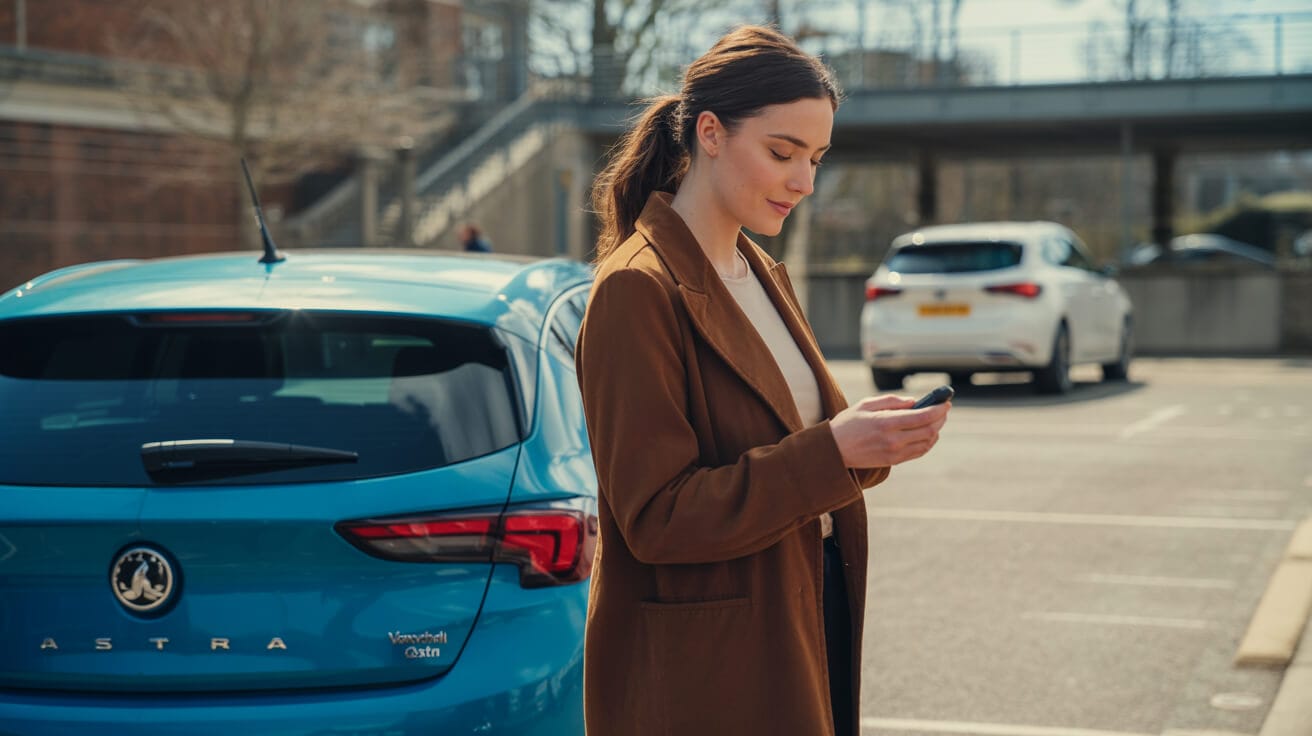
Why Do Car Lockouts Happen So Frequently?
Car lockouts happen far more often than most people realise. Even if you’re careful, changing technology and the rush of real life make it easy to slip up. At Autolocks Ltd, every emergency call gets owner ID checks, comprehensive records, and always-on compliance, so you’re never left guessing what went wrong or who has access to your car.
Drivers find themselves locked out in the everyday moments—running errands, juggling shopping, or moving quickly when plans change. Modern car security has made theft harder but also introduced auto-lock features and electronic systems that act faster than our routines can adapt. A single distraction or a flat fob battery can suddenly turn a normal day into a major hassle.
Rushed routines are the weak link—technology doesn’t wait for you to catch up.
What Triggers Lockouts Most Often?
Most car lockouts come down to routine habits and overlooked cues—leaving keys on a seat or in the boot, closing the door automatically, or using a fob with a flat battery. Newer systems like auto-lock or deadlock can catch you out when you’re not aware of every feature.
Leaving keys inside, a dead fob battery, and accidentally activating auto-relock are the main causes of lockouts. Small human oversights, amplified by tech you might not fully understand, cause most of these incidents.
Does New Technology Make Lockouts Easier or Harder?
Security features, from smart keys to phone apps, block theft but bring hidden risks for drivers. Issues like app glitches, battery failures, or missed alerts trip up even experienced car owners who don’t keep up with security updates.
New technology strengthens your car’s defences against theft but introduces more complex risks for drivers who haven’t learned all the features.
Is Human Error or Technology to Blame for Most Lockouts?

Most lockouts don’t come from pure carelessness or design flaws alone—they happen where our habits and new tech collide. Whenever Autolocks Ltd answers a call, we start by tracing the root cause: was it a missed cue, a battery that finally died, or a feature that worked too well? This lets us tailor fixes to prevent future repeats.
Confidence comes from routines that evolve as fast as your car’s systems.
Which Common Mistakes Lead to Lockouts?
- Setting your keys down while unloading the car
- Forgetting to swap fob batteries on time
- Relying on just one working key
- Missing signals like soft beeps or dash warnings
Most lockouts happen when double-checks don’t happen, batteries are left to the last minute, or there’s no backup plan in sight.
Skipping simple checks, ignoring low-battery warnings, or not having a backup key will leave you at higher risk of a lockout.
Do Modern Security Features Increase the Risk?
Features like deadlocking lock not only the outer doors but also disable the inside handles. Immobilisers, which make hot-wiring impossible, depend on electronics and strict pairing—if something’s out of sync or misread, you’re locked out, regardless of spare keys.
Advanced features, when misunderstood or ignored, create more opportunities for lockouts—knowing how your car’s security works makes all the difference.
What Types of Vehicles Are Most Prone to Lockouts?

Every modern vehicle can cause a lockout, but the newest models and fleet vehicles—company cars, shared rides, or pool cars—show more risks. Digital entry, deadlock, and smartphone keys introduce extra layers of complexity, while shared vehicles mean backup keys and routines are easily forgotten.
Technology can lock tighter, but shared habits and awareness hold the real key.
Let’s compare risk triggers by vehicle type:
This table spotlights what’s most likely to trip you up in each vehicle.
| Vehicle Type | Most Common Triggers | Unique Pitfalls |
|---|---|---|
| Digital/App Key | App glitches, lost phone | Skipped software updates, no backup |
| Deadlock/Auto-Relock | Unintended activation | Feedback signals misunderstood |
| Shared/Fleet | Missed handover, misplaced key | No clear backup, incomplete log |
How Do Deadlock and Immobiliser Features Affect Access?
Deadlocking secures every entry point from the inside and out—accidentally activating it without a fob or spare on hand means you aren’t getting in yourself. Immobilisers demand an exact match between car and fob; if there’s a programming fault or battery failure, the car will refuse to start, regardless of having a mechanical key.
Deadlock and immobiliser systems make self-recovery difficult—if you don’t know how they work, you risk needing paid help.
Can Habits Reduce the Odds of Being Locked Out?
Just a few disciplined habits reduce lockout risks for any car and any driver. Having a working backup key, regularly swapping old batteries, and making sure everyone who drives the car knows the “what to do if locked out” plan means you’re less likely to get stuck.
Building the routine of checking keys, keeping spares, and reviewing system settings after updates keeps most lockout trouble at bay.
What Proactive Steps Can Prevent Car Lockouts?

Real prevention goes beyond just having a spare key—expert routines and proactive maintenance make the biggest difference. Autolocks Ltd builds every prevention checklist from firsthand fixes, turning lessons learned into smarter daily habits for you.
Consistency beats cleverness: simple daily steps outperform the newest tech.
How Can You Practically Avoid Car Lockouts?
Step-by-Step: Your Lockout Prevention Plan
- Store a spare key safely, separate from your vehicle
- Change your fob battery at least once a year—set a reminder
- Test all locks and remote features every 3–4 months
- Train each driver to check keys before shutting any door
- Make your backup plan easy to remember and share
- Audit your digital/app credentials for access and update
Repeat these steps and you’ll rarely face a lockout you can’t handle.
Staying out of trouble is about having spares, testing batteries, and double-checking your keys—habits that take less time than waiting for roadside help.
Why Involve a Professional Locksmith for Prevention?
A professional provides more than a spare key. You get a deep diagnostic scan, updated software or programming where needed, and a clear, legal audit trail for warranty and insurance. Autolocks Ltd makes sure every vehicle leaves with proof of work, compliance, and future-ready records.
Bringing in a professional reduces risk: proper diagnostics, audit-ready paperwork, and guaranteed compliance keep your investment safe.
What Should You Do the Moment You’re Locked Out?

If you’re locked out, the first steps are keeping calm and staying safe. Find a safe spot away from traffic, weather, or strangers. Check every entry—even the boot—in case one door isn’t fully shut. If that fails, visually locate your keys if possible before taking any action.
The official Autolocks Ltd approach means you’ll never be pushed to take shortcuts or break trim. We’ll double-check ID, document every step, and provide only non-destructive, owner-approved solutions.
Recovery is built on process—know your next move and don’t cut corners.
- Check all entry points, including the boot
- Confirm your own safety and location
- Try to spot keys or fob inside, if visible
- Contact a verified locksmith with clear ID and audited processes
- Have your personal ID and vehicle details ready
- Don’t try DIY techniques—damage costs more than a callout
With professional help, your warranty and security remain intact.
How Do Locksmiths Open Vehicles Without Damage?
Locksmiths use a blend of modern tools—like air wedges, fine decoders, and manufacturer-approved programming gear—while logging every move and leaving zero marks behind. This approach is fully transparent, always owner-authorised, and every action is traceable for your peace of mind.
Expert locksmiths open cars using specialist, fully documented tools—never brute force—so your warranty isn’t put at risk and no damage is left behind.
Why Is Credential Verification Vital in an Emergency?
Only a credentialed locksmith can guarantee you’re getting service that meets legal standards, insurance requirements, and privacy rules. Untrained hands may break locks, upset electronics, or even void your car’s warranty.
Demanding credential checks ensures your vehicle and claims stay protected, with no surprises later.
Which Tools and Methods Are Best for Safe Car Entry?

Nothing beats the right tool in professional hands. Autolocks Ltd kits out every van with the latest key cutters, OEM scan tools, signal testers, and a full audit log system, so every step is precise and legally compliant.
The safest solution isn’t brute force—it’s documented expertise.
See how tools stack up for protective, reliable access:
| Tool or Technique | What It’s Used For | Why It Matters for Safety |
|---|---|---|
| Precision picks | Mechanical lock cylinders | Leaves no trim scratched |
| Air wedges | Door gap-opening | Avoids leverage or bent metal |
| Diagnostic equipment | Key & transponder programming | Full audit trail |
| RF testers | Check fob and remote signal | Pinpoints problems early |
| Manufacturer programmers | Digital/app key setup | Logs every step for warranty |
Expert tools combined with skill save you from surprises—and preserve your asset’s value.
Why Avoid DIY or Untrained Providers?
Improvised tools (coat hangers, cards, makeshift levers) usually cause more harm than good, from damaging locks to cutting hidden vehicle wiring. Only licenced professionals follow protocols that maintain compliance and warranty.
DIY or cheap fixes risk bigger damage and cost—skilled help means safety and documentation from start to finish.
What Are the Visible Signs of a Trusted Provider?
Transparency from initial contact to job closing: checking your ID, explaining the process, documenting work and handover, providing aftercare. These are marks of a provider that stands behind every decision they make.
Look for clear documentation, stepwise explanations, and a willingness to answer every question—reputation is built on visible, honest actions.
Are Digital and Smart Keys More Secure or More Complicated?

Digital systems—apps, Bluetooth, NFC, or UWB proximity keys—offer strong anti-theft benefits but also introduce new lockout risks: battery failures, connectivity issues, and human error around software updates. At Autolocks Ltd, our approach relies on technical know-how and full documentation to keep you ahead of these challenges.
Smarter keys demand up-to-date habits—test, update, and keep your options open.
What Steps Can Safeguard Against Digital Entry Failure?
- Regularly update entry and car software.
- Test all backup routes (physical keys, NFC or PINs) every six months.
- Review app settings and device permissions after every app or OS update.
- Make a simple handover plan for all drivers using digital entry.
Digital habits need as much care as the key itself; bridging old and new gives you a strong defence.
Avoid digital entry mishaps by setting updates, testing backups, and ensuring everyone knows your backup plan.
Who Is Best Suited to Handle Digital Key Lockouts?
When you hit a snag with digital keys, only trained professionals working with manufacturer-approved tools should step in. They provide technical fixes, insured work, and a clear record of everything done.
Digital lockouts need an expert armed with up-to-date hardware, access codes, and a full legal compliance trail.
What Are Overlooked Causes Behind Repeat Lockouts?

Hidden causes—like worn cylinders, corroded connectors, tired batteries, or stray radio interference—turn an occasional mistake into a recurring nightmare. Owners often miss these subtle changes until a full failure leaves them stranded at the worst moment. At Autolocks Ltd, regular reviews and maintenance reinforce your system before small problems cascade.
Prevention is a pattern: frequent checks turn accidents into learning.
How Can Routine Maintenance Prevent Recurring Lockouts?
- Swap every fob and backup key battery before it’s due
- Inspect keys and locks for wear every six months
- Check that backups are available and functional in every car in your fleet or household
- Review digital system updates, pairing, and login details after every dealership service
Baking maintenance into your year closes loopholes and preserves every security feature you rely on.
Recurring lockouts usually point to neglect—proactive, scheduled maintenance stops repeat mistakes becoming bigger problems.
Why Is It Important to Fix Small Issues Quickly?
Minor faults—like a weakening lock spring or laggy door actuator—will escalate without attention, especially with busy schedules or multiple drivers. A small investment in time and care pays off through all-season reliability.
Catching and sorting out small concerns early on keeps you mobile and reduces unexpected emergencies or lockout callouts.
How Does Autolocks Ltd Guarantee a Secure, Fast, and Fully Compliant Response?
Every Autolocks Ltd call is answered with owner ID checks, clear communication, and strict legal compliance—from arrival to handover. Your car and paperwork are protected at every step: before work begins, during service, and after your car is safely accessible. Each session adds to a fully documented record—helpful if insurers or buyers ever need proof.
When rare software or technical issues block entry, our team escalates quickly to the manufacturer or dealer, keeping you informed. Urban job response typically happens within 60–90 minutes. Our aftercare includes full job logs, proving all parts of your car’s security worked as promised, and providing advice so you’re better prepared next time.
Why Do Compliance and Documentation Offer More Value?
Warranty, insurance, and future resale often require a service log that shows repairs, updates, and legal compliance. With every job logged, photographed, and explained, your car is easier to insure, sell, and keep in perfect system shape.
Every proof-filled job by Autolocks Ltd builds the paperwork that holds your car’s value and your peace of mind.
Choose Autolocks Ltd Today
If you want lockout protection that combines real prevention with fast, traceable recovery, Autolocks Ltd is built for you. Trust is our guarantee, routines are built for you, and compliance is ironclad. Stay ahead of surprises: develop good habits, invest in a partner who works as carefully as you do, and make tomorrow’s lockouts a problem of the past.
Choose Autolocks Ltd when you need lockout recovery that’s proven, transparent, and audited from start to finish. If you value reputation, verified credentials, and clear aftercare, our team is ready to help—every step of the way.
Frequently Asked Questions
What are the most common reasons people get locked out of their cars?
Most UK vehicle lockouts are caused by quick, everyday mistakes—leaving your keys on the seat or in the boot, a fob battery running flat, or auto-lock systems silently cycling when your hands are full. Everyday distractions—like managing shopping or kids—mean the keys are easily forgotten as doors close. Modern vehicles often deadlock automatically within seconds, and if you don’t notice a missing lock confirmation beep, you can get trapped outside. Flat fob batteries, cold weather jamming a latch, or wear in the door lock can all add to the mix. According to the AA, 25% of UK drivers will experience a lockout within five years, most often from simple slips rather than hardware failure. A quick final check—“keys in hand before you shut the door”—is the best insurance.
The routine you skip today can become the costly delay you regret tomorrow.
Main Causes and How to Prevent Them
| Cause | Preventive Habit | Frequency |
|---|---|---|
| Keys on seat/boot | Always see keys in hand before closing | Every exit |
| Fob battery dies | Swap battery ahead of winter | Each autumn |
| Auto-lock/deadlock | Check for lock-beep, confirm latch | Each use |
| Forgotten spare | Store spare remote safely at home | Quarterly |
Does new car technology increase or reduce risk of being locked out?
Tech in modern cars helps and hinders. Smart fobs, keyless entry, and phone-as-key apps are designed for convenience, but each opens new paths to lockout. Dead fob batteries block proximity entry; digital keys vanish when your phone dies or app permissions reset; network congestion or a mis-synced app update can leave you stranded at the worst time. Blade keys are less common, and mechanical back-ups sometimes jam if unused. A software or app update can wipe access until reconfigured—many find out when it’s too late. The safest route is redundancy: keep your spare blade or remote current, update apps regularly, and after a major update try every entry method before you need it.
The tech that saves you seconds today can cost you hours if you skip a backup.
- Fob won’t work? Try your manual key in driver’s door and boot.
- Phone access failed? Check for signal, app version, and log-in status.
- After a car or app update, test all access methods.
How can owners in the UK proactively avoid lockouts?
Start with your spares: keep them away from your car and make sure every driver knows exactly where they are. Before colder weather hits, swap your fob batteries and check the backup mechanical key turns every lock—front, boot, and glovebox. Log new key handovers with photos and signatures, especially for fleet cars or if you loan a spare to a friend. Always test digital keys and apps after any update, and ensure you keep recovery codes or backup credentials in a safe place, not just on your phone. For families and shared vehicles, keep a record of who has which key at any time.
Today’s quick test could mean the difference between a routine trip and an expensive rescue.
Table: Practical Lockout Prevention
| Task | How Often | What It Protects Against |
|---|---|---|
| Audit key locations | Monthly | Lost or misplaced spare/remotes |
| Change fob battery | Every autumn | Dead battery in colder months |
| Test backup key/manual locks | Quarterly | Corrosion, jammed cylinders |
| Update/check key apps | After updates | Digital lockout post-software |
What should you do immediately if you’re locked out of your vehicle?
First, think safety—stand clear of traffic or hazards, especially at night or roadside. Walk around the vehicle and test every door and the boot; sometimes one latch hasn’t fully engaged. If your fob battery is dead, retrieve any manual or emergency blade key and follow your vehicle handbook. Avoid prying doors, forcing windows, or using “hanger” hacks—these moves will likely damage trim, airbags, or wiring and often trigger the alarm or even void insurance. Instead, call a certified UK auto locksmith such as Autolocks Ltd, who will check your ID, use non-destructive tools, provide a full job audit, and hand over with a photo and receipts for your records.
The fastest path back is rarely the cheapest when shortcuts break more than they unlock.
| What To Do | Why | Problems Avoided |
|---|---|---|
| Test all entry points | Unlocked latch? | Costly callout for simple fix |
| Use manual/emergency key | Circumvents dead fob | Protects electronics, avoids alarm trip |
| Call Autolocks Ltd | Swift legal entry | Data breach, trim/wiring damage |
| Document event | For your records | Eases claims, avoids disputes |
Are digital and keyless cars at higher risk for repeat lockouts?
Relying mainly on digital access—be it fob, phone, or app—raises the odds of more than one lockout, especially after app glitches, phone resets, or fob battery run-downs. Many only realise their backup key is missing, corroded, or never tested once they’re already locked out. Firmware updates or a quick app refresh can corner you if credentials desync or permissions are lost, particularly for shared, fleet, or rental cars. The best policy is triple redundancy: store your spares, audit digital key access after every update, and physically test both manual and electronic unlock at least quarterly, before your luck runs out.
Digital Access Vulnerability Table
| Access Mode | Backup Checked? | Last Update? | Common Failure |
|---|---|---|---|
| Manual key | Yes / No | N/A | Misplaced, corroded |
| Fob | Yes / No | Battery swap | Flat cell, damage |
| Phone/App | Yes / No | Latest ver.? | App glitch, sync fail |
How do you select a compliant UK auto locksmith, and what proof should they deliver?
A compliant locksmith prioritises security—of your car, your identity, and your data. Always ask for proof of MLA accreditation or confirmed ISO-compliant procedures. A legitimate firm like Autolocks Ltd will check your ID, confirm vehicle ownership, and use non-destructive first techniques. You’ll get a job record backed by photos, receipts, and explicit warranty and aftercare instructions. Their technicians arrive in branded vans, clearly display privacy notices, and require your signature before unlocking or programming. Before they leave, they’ll demonstrate every lock/cylinder, answer maintenance questions, and make sure your backup options work. These steps protect your warranty, your peace of mind, and your reputation as a responsible vehicle owner.
When your locksmith does things by the book, you get more than access—you get accountability.
Table: Locksmith Compliance Signals
| What To Require | Security Reason |
|---|---|
| MLA/ISO credentials shown | Confirms legal, expert access |
| Owner ID & consent check | Prevents misuse/unlawful access |
| Non-destructive entry | Protects trim, warranty |
| Receipts & photo records | Supports aftercare, claims |
| Warranty & aftercare | Trust for future use |