What is a Transponder Key and How Does It Work on Modern Vehicles?
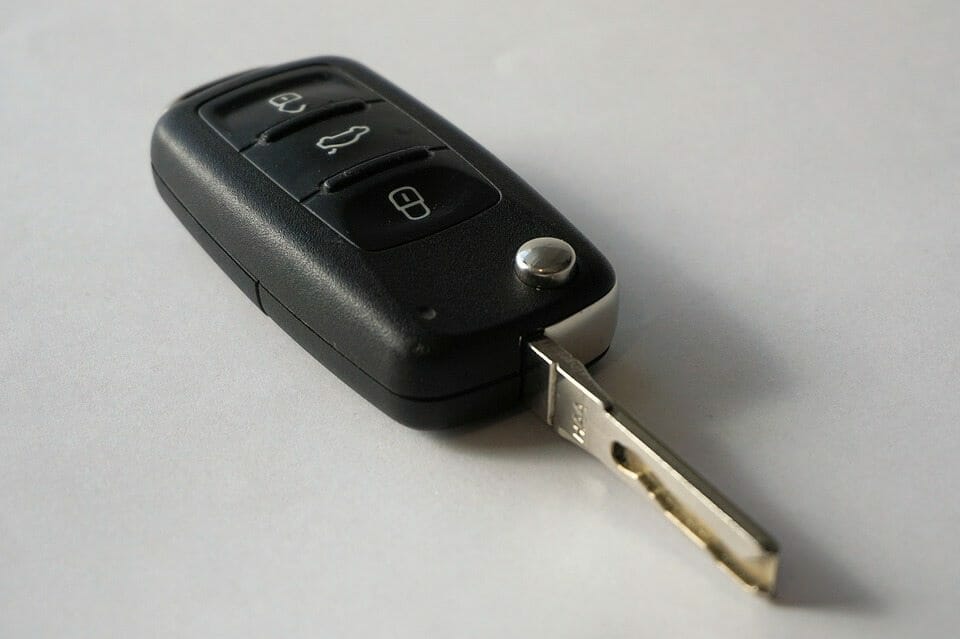
A transponder key is a specialised car key containing a small microchip programmed to communicate securely with your vehicle, ensuring only an authorised key can start the engine and drive away. This chip responds to a coded signal from your car’s immobiliser system, confirming your right to start and use the vehicle—making most modern cars much more resistant to theft.
Transponder keys work by creating a handshake between your key and your car’s immobiliser module. When you turn the ignition or press the start button, the car sends a coded, low-frequency signal to the chip inside the key. If the chip’s code matches what the car expects, the immobiliser disengages, allowing the engine to start. If the code is missing or incorrect, the system keeps the engine locked, stopping unauthorised access.
Security locks out the opportunist, but a well-coded key stops the expert.
The Origins and Evolution of Transponder Technology
Modern vehicles across the UK quickly adopted transponder key systems in the late 1990s, after a spike in car theft forced manufacturers to seek stronger, more reliable security. Unlike traditional metal keys—easily copied and manipulated—transponder chips must be programmed to your specific car. This shift marked the end of simple hot-wiring and easy bypasses.
Core Benefits You Experience Every Day
- Enhanced protection: Your car won’t start without the right chip, raising the bar against thieves.
- Peace of mind: Immobilisers and transponder chips quietly guard your vehicle every time you turn the key.
- Ownership control: Only you (and those with verified, programmed keys) can operate your vehicle, no matter how closely a thief copies the key’s blade.
Your experience of effortless starts is underpinned by a sophisticated interaction that’s invisible to the eye but essential for modern vehicle security.
How Do Transponder Keys Guard Against Common Forms of Car Theft?

Transponder keys form the front line of defence in modern car security by making physical or electronic theft much more difficult. When you insert the key, your car looks for a specific electronic signature—if it’s missing or doesn’t match, the immobiliser system blocks the ignition and sometimes even fuel delivery.
If someone tries to hot-wire your vehicle, the immobiliser never “unlocks” for the engine to start. Even if a thief cuts or clones the metal part of your key, the absence of the correct chip means the car won’t run—smart anti-theft for drivers who need reliability.
Which Theft Tactics Are Blocked by Transponder Systems?
- Hot-wiring and direct wiring bypasses: Immobilisers prevent manual starts unless they recognise the chip’s code.
- Copycat or “blank” keys: Duplicating only the key’s physical shape is useless without programmed electronics.
- Physical force on the cylinder: Forcing your way in can unlock a door, but ignition stays locked down.
Modern criminals look for easier targets once they spot a vehicle with an active transponder system.
Recognising When Transponder Security Is at Risk
While these systems stop common attacks, some risks remain. Losing all your keys means engine immobilisation until a new chip is securely programmed, which takes specialist skills. Newer forms of attack—like relay theft—mostly threaten smart key “proximity” systems rather than chip-in-key transponders, but it’s wise to store spare keys away from doors and windows.
How Can You Identify If Your Car Uses a Transponder Key in the UK?

Almost every UK-made or imported car built since the late 1990s uses some form of transponder technology. If your car starts with a chunky key (not just a flat metal blade) or a remote fob, it nearly always includes an immobiliser chip.
Check your dashboard for a small key or padlock icon lighting up when starting. If a lost or unprogrammed spare won’t let the car start, that’s a giveaway. Manufacturer handbooks and auto locksmiths can confirm specifics for your make.
The moment your key talks back to your car, you’re protected by an invisible shield.
At-a-Glance: Brand and Year Crossover Table
Many carmakers switched to transponder keys between 1995 and 2003 in the UK. Here’s a quick rundown:
| Brand | Year Introduced | Typical Key System |
|---|---|---|
| Volkswagen Group | 1995–1998 | HU66/ID48 |
| Ford/JLR | 1996–1999 | HU101/ID47/ID49_AES |
| Vauxhall | 1997–2000 | HU100/ID46 |
| BMW/MINI | 1997–2000 | HU92/ID46/DigitalKey |
| Nissan | 1998–2002+ | NSN14/ID46 |
| Toyota/Lexus | 1998–2003+ | TOY43/ID70/80 |
If your vehicle fits in these ranges and your key head is more significant than a typical house key, your car is protected by transponder technology.
Easy Signals Your Car Uses a Transponder System
- A dashboard immobiliser light when the key is in or turned
- A spare key blank won’t start the engine
- Key head is noticeably thicker and sometimes houses buttons
- Dealership or professional locksmith confirmation
If there’s any doubt, Autolocks Ltd can provide a fast, on-site assessment.
What Should You Do If Your Transponder Key is Lost, Broken, or Fails to Start the Engine?

Losing your transponder key immobilises your car—only a correctly programmed replacement will start the vehicle again. Attempting to use a “cut-only” key, forcing ignition, or wiring workarounds won’t help and may trigger anti-theft lockouts.
The best course of action is to contact a certified auto locksmith, who will verify your ownership and then cut and programme a new chip key. Fast professional assistance protects your car and avoids further complications.
Step-by-Step: What to Do When a Transponder Key is Lost
Key Recovery Steps
- Stay safe: Move your vehicle to a secure spot if possible.
- Contact an authorised locksmith: Ensure the company checks your ownership before proceeding.
- Provide essential details: Have your registration and proof of ID ready for a smooth process.
- Allow professional assessment: Let the locksmith inspect the car and recommend secure access.
- Get your new key programmed: Accept only verified, audit-trailed programming for peace of mind.
Following these steps keeps your car protected and compliant with insurance and manufacturer requirements.
Pitfalls to Avoid if a Transponder Key Fails
- Avoid DIY repairs or forceful actions: These can damage electronics or the car’s internal wiring.
- Don’t skip ID checks, even in emergencies: Ensures only you regain access.
- Decline any service skipping programming, data audit, or proper owner verification.
Can an Auto Locksmith Replace or Programme a UK Transponder Key? What’s the Process?

Yes—an experienced UK auto locksmith can securely replace and programme new transponder keys. The service involves dedicated equipment, official diagnostic procedures, and strict owner verification before access. You don’t need a dealership visit, saving time and money without losing warranty or security coverage.
All programming sessions with Autolocks Ltd are audit-trailed, non-destructive, and align with UK and EU compliance requirements, so you can track every action taken on your vehicle, offering transparency for peace of mind.
Replacing and Programming Transponder Keys
- Verify owner ID and consent before any work begins
- Diagnose whether the key, immobiliser, or car system is at fault
- Inspect the lock and wiring, ensuring the problem isn’t physical
- Cut a new mechanical key using model-specific code
- Connect diagnostics to safely erase old (lost) chips, then code a new one
- Test function—check remote, immobiliser light, start sequence
- Document and log the programming session for future reference
- Offer aftercare advice and warranty support for your ongoing safety
Each step upholds privacy, accountability, and vehicle integrity—standard practice with professional locksmiths like Autolocks Ltd.
Why Certified Programming and Audit Trail Are Essential
- Prevents unauthorised access or fraudulent claims in the future
- Ensures your new key aligns with insurer requirements
- Provides transparent documentation should you or your insurer need details
Always choose a locksmith who provides full audit records and ID checks with every service.
What Are the Key Advantages and Limitations of Transponder Keys for UK Vehicle Owners?

Transponder keys significantly fortify car security, but losing all keys, using non-genuine spares, or mishandling battery issues can disrupt your routine. Understanding both the upsides and downsides helps you stay prepared and avoid sudden surprises.
Owning a car with a transponder key gives you security and control, with fewer worries about theft and more assurance every time you turn the key.
Main Benefits for Vehicle Owners
- Cutting or copying only the metal blade won’t operate the car—only a programmed chip will
- Engine immobiliser system blocks attacks via the ignition or dashboard wiring
- Insurers typically prefer vehicles with effective immobiliser systems, sometimes reducing premiums
- Ability to erase lost or stolen keys from the car’s system for immediate protection
Typical Limitations or Considerations
- Replacement keys cost more and require professional programming
- All keys lost? Car immobilised until a new chip is coded to your system
- Low or dead battery in fob may prevent certain features but usually won’t stop the chip functioning unless fully discharged
- DIY key clones from untrusted sources risk system errors or complete lockout
Professional support from an approved locksmith like Autolocks Ltd solves these quickly.
How Can You Troubleshoot and Fix Common Transponder Key Issues?

When your car won’t start and immobiliser lights stay on, start with basic checks. Sometimes a battery swap or using a spare key solves the problem, but persistent issues call for professional help to avoid accidental lockout or system errors.
Always check for dashboard warning lights, key damage, or proximate interference from other electronics.
Quick List: Troubleshooting Steps for Transponder Key Issues
Steps to Try Before Calling a Locksmith
- Look for an immobiliser or key warning light on the dash when starting
- Inspect your key for obvious cracks or wear
- Replace the remote/fob’s battery if features fail
- Try a spare key if available
- Move the car away from strong radio sources or wireless door sensors
If the car still won’t start after these checks, arrange for a professional diagnosis.
When Is It Time to Call for Expert Help?
- No response with either main or spare key
- Obvious faults or damage to the key’s chip enclosure
- Persistent immobiliser or engine error lights
A knowledgeable locksmith brings tools that read trouble codes, test your system, and provide transparent fixes, ensuring your car’s audit and security trail stays up-to-date.
What Makes Certified UK Auto Locksmiths Like Autolocks Ltd the Trusted Choice for Transponder Services?

Autolocks Ltd stands apart as a trusted vehicle security partner through strict owner verification, non-destructive-first access, full job audit trails, compliance with regulatory standards, and customer-centric aftercare.
Choosing certified locksmith services means that every action is verified, documented, and defensible—with every step designed to keep your vehicle and personal data secure.
What You Can Expect from a Top-Tier Auto Locksmith
- Always checks owner ID and matches details before beginning work
- Uses specialist tools and up-to-date training for your vehicle make and model
- Performs all programming via secure, logged, and audit-trailed procedures
- Applies non-destructive entry methods to preserve trim and hardware
- Provides emergency and scheduled visits within your chosen time window
- Offers transparent costs, complete documentation, and real aftercare
Trust isn’t a slogan—it’s a process, proven at every turn and every service call.
Why Brand, Auditing, and Compliance Should Matter
Autolocks Ltd’s reputation runs on transparent reporting, data privacy, and a zero-compromise approach to both physical and digital vehicle security. Insurance, warranties, and future resale all depend on traceable, authorised actions—so only choose approved specialists.
Are Digital Keys and App-Based Entry Systems Overtaking Transponder Keys in the UK? What Owners Should Know
Newer cars increasingly offer digital keys using Bluetooth, near-field communication (NFC), or even ultra-wideband (UWB) radio for access via phone apps, card keys, or wearable devices. Despite these advances, most UK vehicles rely on transponder technology as the core layer of engine security.
Digital keys introduce powerful new features—remote access, time-limited guest codes, and instant revocation—but every modern vehicle retains a physical or chip-based back-up. An experienced auto locksmith can programme, repair, or replace both systems as needed.
Comparison Table: Security Levels by Key Type
Here’s a quick reference comparing key system strengths.
| System Type | Security Level | Key Feature |
|---|---|---|
| Transponder Key | Strong | Engine chip/immobiliser logic |
| Smart/Digital Key | Strongest | Remote, UWB, guest access |
| Classic Remote | Moderate | Lock/unlock by radio, no chip start |
Digital systems add extra convenience and control, but the humble chip-in-blade remains the cornerstone for most UK vehicles.
Why Physical Backup and Professional Support Remain Vital
- Digital keys can be lost, dropped, or erased—every car must still accept a physical or chip key
- UK standards require physical access routes for emergencies
- App glitches or dead phone batteries demand a backup plan
- An auto locksmith can supply and programme both forms, ensuring you’re never locked out
Why Trust Autolocks Ltd for All Your Car Key and Vehicle Security Needs?
When security, access, and documentation really matter, Autolocks Ltd stands above with nationwide service, verified owner checks, compliance with key standards, and a “non-destructive, audit-trail-first” approach. You get reliable, fast, and transparent fixes—trusted by thousands of UK drivers.
Whatever vehicle you drive—classic fob, chip key, or digital system—you’re always protected by industry-leading professionals prioritising your safety and satisfaction.
Five Reasons to Make Autolocks Ltd Your First Call
- Emergency call-outs in 60–90 minutes, or scheduled to suit you:
- Full audit logs, signed handovers, and aftercare support provided:
- Owner verification ensures keys and system access never fall into the wrong hands:
- Skill-matched, fully insured specialists using official tools every time:
- Clear, upfront costs and a transparent process at every step:
Choose Autolocks Ltd when your car key or immobiliser security is too important to leave to chance. If you value transparent process, visible audit trails, and nationwide specialist support, we’re ready to help.
Frequently Asked Questions
How did digital transponder keys take over vehicle security in the UK, and who enforced the shift?
Digital transponder keys redefined UK car security when manufacturers responded to rampant theft in the 1990s by embedding cryptographic chips into everyday keys—instantly raising the barrier for would-be thieves. Pioneers like Volkswagen set the pace with the HU66 and ID48 chip, forcing rivals such as Ford (HU101/ID47-49_AES) to accelerate their own protections. These chip-in-key systems worked hand-in-glove with immobiliser modules, closing the old “hotwire” loopholes and making the car itself demand “proof of handshake” every time you tried to start it. The impact was dramatic: by 2001, government and insurer data showed UK vehicle theft plummeting by over 50% after immobilisers became a regulatory and insurance benchmark. It wasn’t merely a manufacturer’s choice—the Home Office, insurance bodies, and market forces made robust transponder systems the only credible path, quickly sidelining cars without them as high-risk and expensive to insure.
It’s no longer about turning a key; it’s about earning your car’s trust each and every day.
What turned transponders into the UK standard?
- Leading brands (VW, Ford, BMW, Toyota) all moved to chip-coded keys in the late 90s, raising customer expectations wholesale.
- Government and insurers pressured the market by linking immobilisers to policy pricing—non-compliance became costly.
- Today, every new UK car is delivered transponder-equipped, with unique codes for each vehicle–key pair.
What are the most reliable ways to diagnose UK transponder key failures—and what signs reveal the true culprit?
Transponder key faults often masquerade as “just a dud key,” but modern cars create a diagnostic maze that catches out even seasoned owners. Symptoms include non-starts, stubborn immobiliser lights, or doors unlocking and relocking themselves. The trick is going beyond the obvious: is it a dead key, or something deeper? The telltale sign is this—if both your primary and spare keys fail, it’s rarely the key’s fault. Chances are, the immobiliser’s antenna ring (the “LF reader”), wiring in the door grommet, or the body control module is at fault—not the remote itself. Water intrusion and battery discipline count, but so does everyday wear. Physical inspection, battery replacement, then using diagnostics at the OBD-II port to scan immobiliser codes are core steps; a legit auto locksmith will use these before recommending replacement. And if security lights flash or cluster warnings linger, that almost always signals coding loss, antenna trouble, or deeper hardware fatigue.
When the car’s signals start muddling, fast action turns big headaches into quick wins.
What’s the independent owner’s first line of attack?
- Test both keys; if only one fails, the issue is the key or chip.
- If both fail, escalate—suspect vehicle-side electronics or wiring.
- Watch out for sudden warning lamp changes or erratic door behaviour.
- For persistent faults, demand an OBD-II/body module scan from any provider.
Why is strict owner verification and audit-trail documentation non-negotiable for UK key services?
Verifying ownership before any locksmithing is not legal box-ticking—it’s your first and most essential safeguard. UK locksmiths, including Autolocks Ltd, require photo ID and vehicle registration (V5C) before any work begins. Not only does this prevent fraud—a rising risk with digital keys—but it also presents a transparent chain of custody, captured in digital logs: every operator, tool, and time-stamped action is tracked. This isn’t just for your peace of mind; it’s the audit record you’ll need in a dispute, warranty claim, or even a theft investigation. A missing log is a missing guarantee—if a provider cuts corners, your insurance may walk away if anything goes wrong, and you could face future ownership disputes. Rigorous audit trails are simply best practice: those trained to the highest standards will always refuse work if these checks fail, so you know the process is bulletproof.
A real key to your car should come wrapped in proof—not in guesswork.
Key steps every customer should expect
- ID and V5C recorded and stored, never skipped.
- Consent forms and log entries are made before keys are cut or coded.
- Each programming session is recorded with the operator, time, and digital tool trail.
- Data is encrypted and stored in line with GDPR and ISO standards.
How do UK auto locksmiths securely programme and document new transponder keys from start to finish?
Professional locksmiths approach key programming as a multi-phase security ritual. First comes authorization—no ID, no job. Once owner status is confirmed, a new key blade is cut using manufacturer data and verified by micrometre and photo. Next, the underlying chip is coded via advanced diagnostics—often using OBD-II access or direct module connections. The process incorporates seed-key security routines or challenge-response cryptography to ensure the chip isn’t just present, but genuinely paired. Newer systems may demand dealer cloud authentication or bench jobs for module-based immobilisers. Old keys can be erased to block future risks. Each step is logged: what was done, by whom, when, with which tool, and proof is offered in documentation and demonstration—door locks, remote features, and engine start are all tested live with the customer. Only then is the job deemed complete, with aftercare and warranty provided for every repair.
A key with no documentation is a risk; a key with a full audit trail is your guarantee.
- Confirm ownership and consent; generate a job log.
- Cut new key blade, checking for fit and tolerances.
- Programme chip with secure tools using OBD-II or module access.
- Test every function (lock, unlock, alarm, start) in front of the owner.
- Provide written proof, warranty, and aftercare checklist.
Which UK vehicle brands and key types create the most complexity or risk during programming?
Some vehicles turn a simple key job into a test of both hardware and compliance. BMWs (F/G/MINI) often require full module removal for new digital key programming—a module-out, bench pairing is the only path. Post-2017 Fords, Jaguars, and Land Rovers feature 80-bit or AES transponder encryption, so “all keys lost” situations demand online authorizations and sometimes dealer-supplied files. VAG group (VW, Audi, Skoda, SEAT) typically involves ID48/49 chips plus “dealer sync,” especially for late-model cars—no cheap clones or short cuts. Toyota’s 80-bit smart keys and Nissan I-Key (with unique LF wake quirks) block generic pairing outright and trip up even seasoned programmers when battery or interference issues play up. For these jobs, proven expertise and properly licenced tools are a must—anything else can leave you locked out or compromising safety and warranty.
| Vehicle / Model | Key Type | Key Programming Challenge |
|---|---|---|
| BMW F/G/MINI | DigitalKey | Needs full module removal & bench sync |
| Ford/JLR (2017+) | 80-bit/AES | AKL locked, online auth only |
| VAG Group (VW, Audi, etc) | HU66/ID48/49 | Dealer sync, unique chip pre-coding |
| Toyota (2015+) | 80-bit Smart | OEM-only chips, exact sync required |
| Nissan Qashqai, others | I-Key | LF wake glitches, battery sensitivity |
When only the right tools and the right records will open the car, expertise and paper trail become your best defence.
Which compliance standards and privacy policies actually secure UK customers’ key data and security?
The UK enforces a powerful mesh of technical and legal guardrails to keep your keys—and your data—off-limits to criminals and careless providers. ISO 26262 ensures every service step is traceable to specific vehicle-safety risks. ISO/SAE 21434 brings cybersecurity logic to every diagnostic tool, programming session, and module access. Keys and remotes operate only on legal EU433 and LF 125kHz bands, barring counterfeit fobs and radio mishaps. GDPR mandates minimum-necessary personal data, with logs encrypted, strictly retained, and instantly removable if you request it. Your consent is recorded and stored with each job, and you can always request an audit of who accessed or programmed your car—a right no reputable provider will refuse.
| Compliance Rule | How You’re Protected |
|---|---|
| ISO 26262 | Safety-first, every action is traceable |
| ISO/SAE 21434 | Cyber-hardened diagnostics and key coding |
| EU433/LF125kHz | Only approved radio signals allowed |
| GDPR & Privacy Practices | Your data is encrypted, minimal, auditable |
Your new key is only truly yours when every access, action, and audit leaves a secure trail for you to follow.
For UK vehicle owners who value lasting trust over luck, the choice is simple: insist on a locksmith who proves each step, delivers audit-ready documentation, and programmes every key with compliance at the core. With Autolocks Ltd, you get nothing less—ID checked, log built, every risk neutralised, warranty guaranteed.